A tri-regional event on tackling drug trafficking routes via West Africa, the Western Balkans and EU ports through enhanced judicial cooperation took place on 11-12 February at Eurojust.
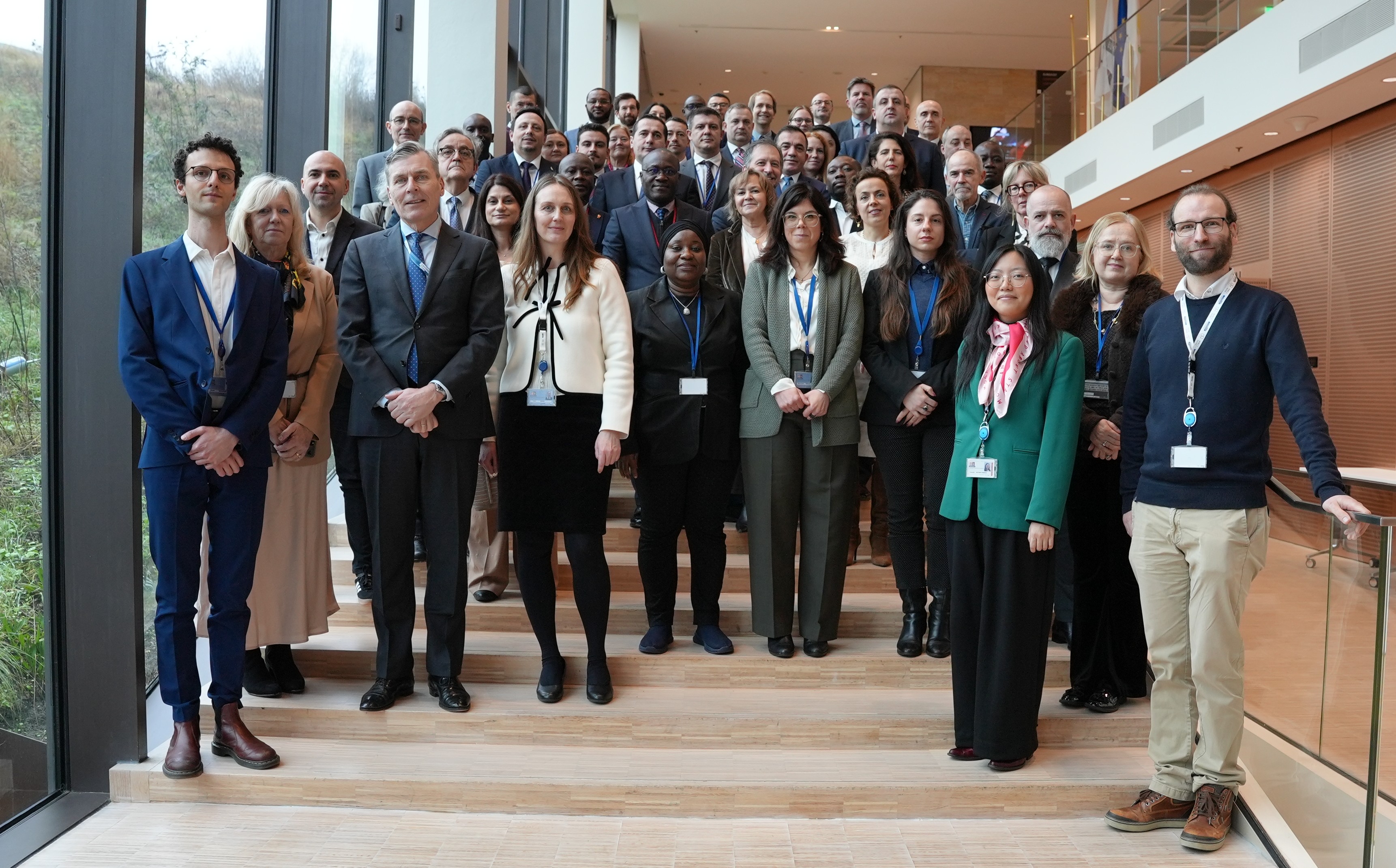
Eurojust, through its Western Balkans Criminal Justice (WBCJ) Project, jointly organised with the European Judicial Organised Crime Network (EJOCN) a tri-regional conference bringing together prosecutors from 20 jurisdictions representing the Western Balkans, EU Member States and West Africa, with the support of the United Nations Office on Drugs and Crime (UNODC), to address emerging drug trafficking routes and strengthen judicial cooperation.
Representatives from Albania, Austria, Belgium, Bosnia and Herzegovina, Cabo Verde, Côte d’Ivoire, France, Gambia, Germany, Greece, Guinea, Kosovo*, Montenegro, the Netherlands, Nigeria, North Macedonia, Portugal, Senegal, Serbia and Spain participated in the event, along with the National Members representing EU Member States and the Liaison Prosecutors stationed at Eurojust.
Building on recent research, including the Under the Radar report by the Global Initiative against Transnational Organised Crime (GITOC), discussions focused on the growing presence of Western Balkan criminal groups in West Africa and their use of transit hubs, local facilitators and vulnerable port systems to traffic cocaine to Europe. The conference also highlighted the challenges posed by the rapid adaptation of criminal networks and explored ways to improve judicial cooperation between the three regions.
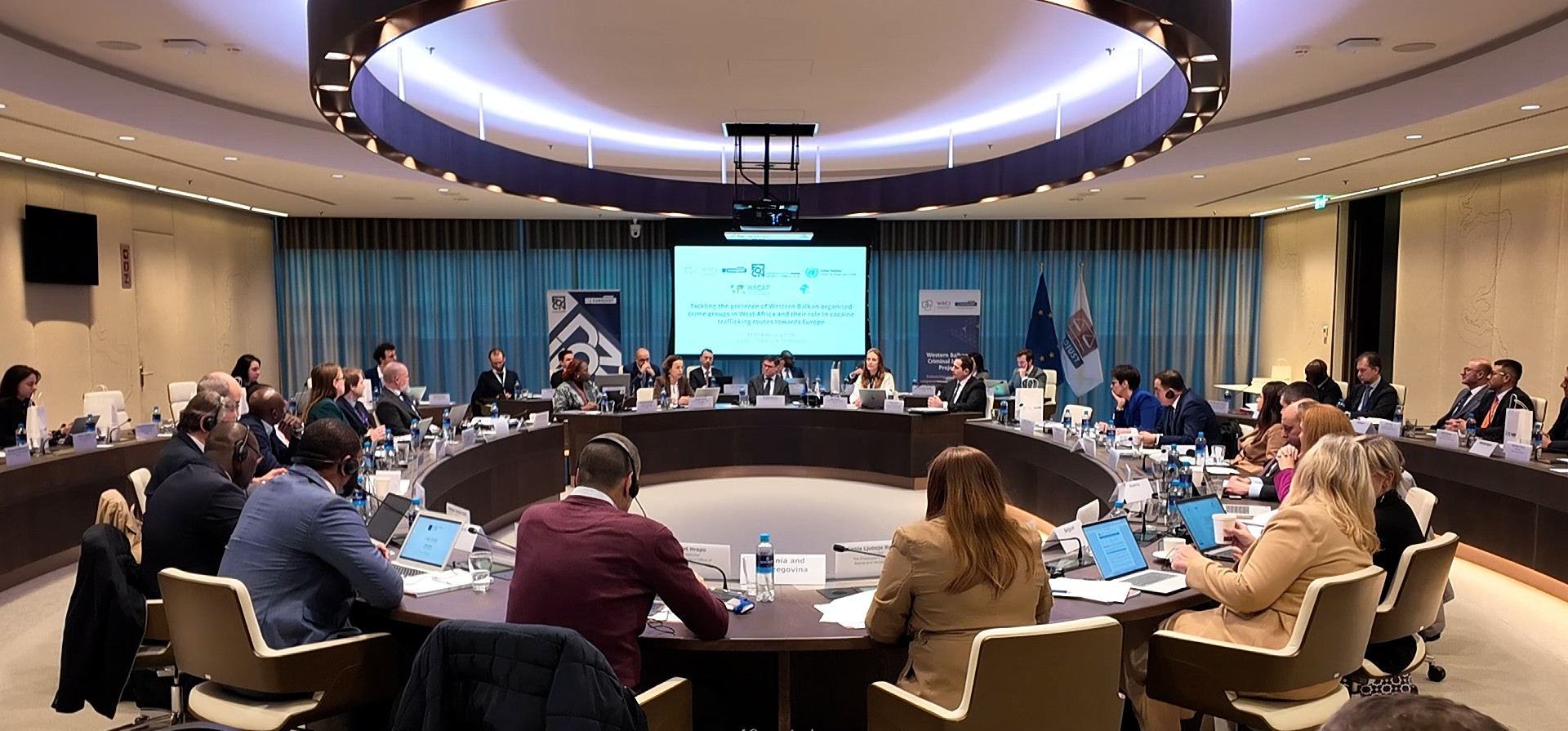
Expert-led discussions covered cocaine trafficking trends via West Africa, existing legal frameworks and practical experiences of judicial cooperation, the role of non-judicial actors in disrupting cocaine flows, and ways to better integrate West Africa into existing cooperation frameworks. The event concluded with thematic working groups on Joint Investigation Teams (JITs) and special investigative measures in drug trafficking cases, financial investigations, and concrete entry points for strengthening prosecutorial cooperation across regions.
The conference provided a dedicated space to consolidate trust, define shared investigative priorities, and explore how operational contexts can be better leveraged to dismantle transnational criminal networks. It also offered an opportunity to build stronger ties among national authorities, in particular those from West Africa, and to highlight Eurojust’s support for complex cross-border investigations and cooperation with non-EU Member States.
 Eurojust is an agency of the European Union