
The 39th meeting of the European Network for investigation and prosecution of genocide, crimes against humanity and war crimes (Genocide Prosecution Network) took place from 22 to 23 April 2026. Hosted at Eurojust under the chairmanship of the Cyprus Presidency of the Council of the EU, the two-day meeting brought together around 150 participants in person, including representatives from national investigative and prosecutorial authorities, international accountability mechanisms and civil society.
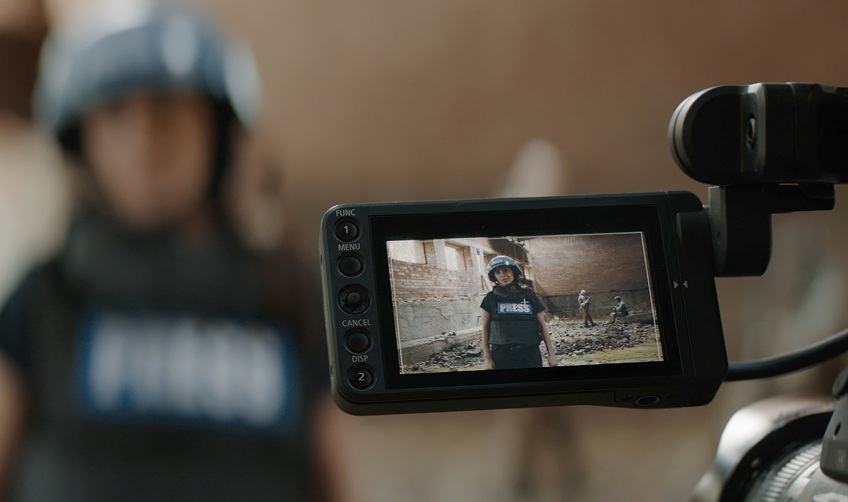
The meeting focused on how attacks against journalists in situations of armed conflict can be investigated and prosecuted as core international crimes.
Key discussions centred on understanding the realities faced by journalists on the ground, particularly as attacks have become more frequent in recent conflicts; examining when such attacks may constitute core international crimes under international humanitarian law; and exploring the use of journalistic material as evidence in criminal proceedings. Representatives from France, Ukraine, the Netherlands and Sweden also shared best practices and highlighted challenges related to the investigation and prosecution of these crimes.
The meeting brought together participants from over 30 countries, including an Eastern and Southern African delegation of national authorities from Kenya, Uganda, South Africa and Mauritius, participating with the support of the National Authorities Against Impunity (IMPNA) Project. By fostering global exchange, the event promoted the harmonisation of legal approaches and enabled the sharing of best practices and expertise across regions.
The Genocide Prosecution Network provides a unique platform for international cooperation and coordination in the fight against genocide, crimes against humanity and war crimes. Its biannual meetings underscore the importance of sustained efforts to prevent and punish these atrocities, and to ensure justice and accountability for victims and affected communities.
 Eurojust is an agency of the European Union