The collection and use of battlefield evidence is fast becoming a cornerstone of efforts to hold perpetrators of the most serious international crimes to account. On 18-19 November, Eurojust, in cooperation with the Genocide Prosecution Network, brought together terrorism and core international crimes practitioners from 34 countries to share expertise on how this evidence can be accessed, preserved, and successfully presented in court. Together they also explored the impact of new technologies, the use of open source material and the vital role of cross-border cooperation in these cases.
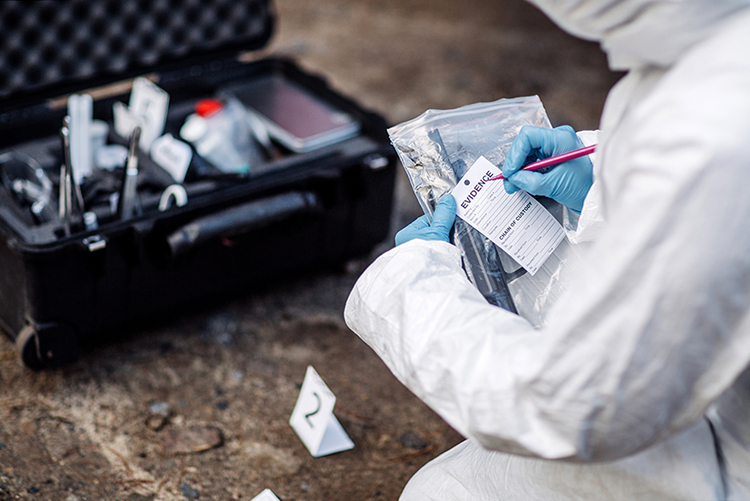
Battlefield evidence is used increasingly in Europe to prosecute terrorism, core international crimes and for cumulative prosecutions for both crime types. It can take many forms: physical items such as weapons, electronic devices, and documents; digital and audiovisual material such as photos, videos and online traffic; or oral testimonies by witnesses and victims.
Following the first meeting on battlefield evidence that took place at Eurojust in April 2024 and the publication of a booklet on the topic in 2025, this meeting continued efforts to build expertise among practitioners. It opened with a session on the forms battlefield evidence can take, with a particular focus on open source evidence.
Participants also looked at how to access battlefield evidence and at the importance of cooperation, both at the national and international levels. New technologies were also on the agenda, including a presentation on the technical exploitation of data collected on the battlefield by AI-enabled systems, such as drones, and the benefits and challenges this presents.
Reiterating its ongoing commitment to this subject, and building on the expertise gained over the past few years, Eurojust stands ready to support national authorities in their counter-terrorism and core international crimes cases involving battlefield evidence. One example is its Core International Crimes Evidence Database (CICED) allows evidence of genocide, crimes against humanity and war crimes to be preserved, analysed and stored securely in one place, helping authorities identify relevant evidence held in other countries. Eurojust also hosts the Secretariat of the Genocide Prosecution Network, which brings together national practitioners working on core international crimes.
Every piece of evidence that is collected, preserved and used to build a terrorism or core international crime case brings perpetrators of these crimes closer to trial, giving victims and survivors a real chance to be heard and seek redress. This meeting underlined that reinforced cooperation between national authorities, international organisations and other partners is key to making full use of battlefield evidence and achieve greater accountability.
 Eurojust is an agency of the European Union