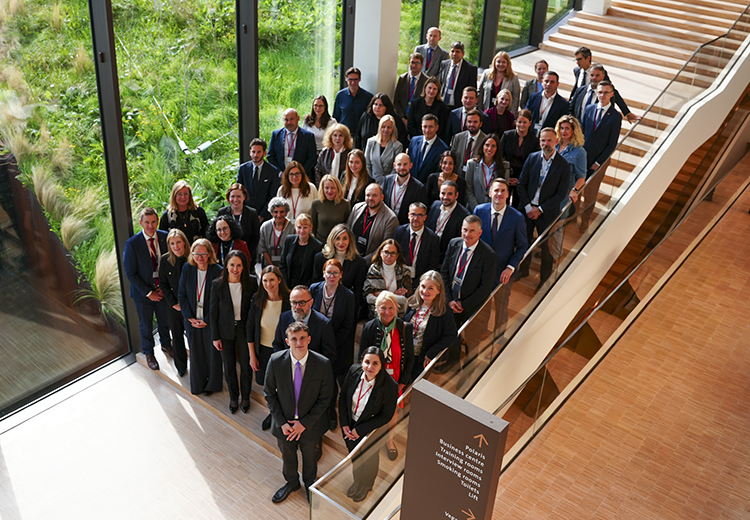
From 8-9 October, Eurojust brought together 36 experts and practitioners from 34 jurisdictions for the second annual meeting of the Agency’s Judicial Focus Group on Money Laundering and Asset Recovery. The event aimed to address one of the key challenges in international financial crime: making cross-border cooperation faster and more effective.
Economic crime increasingly has a cross-border dimension, with criminals moving assets between countries to evade freezing and confiscation. Tracing and recovering those assets is a strategic priority of the European Union’s fight against organised crime, and a major focus of Eurojust’s casework.
Over two days, participants examined the practical challenges that can delay or prevent cross-border judicial cooperation between EU and non-EU countries. Examples include differences in legal systems, evidential requirements, dual-criminality rules and procedural safeguards. Particular attention was given to complex cases, such as those involving the use of vIBANS, and the capacity of states to conduct post-conviction asset recovery.
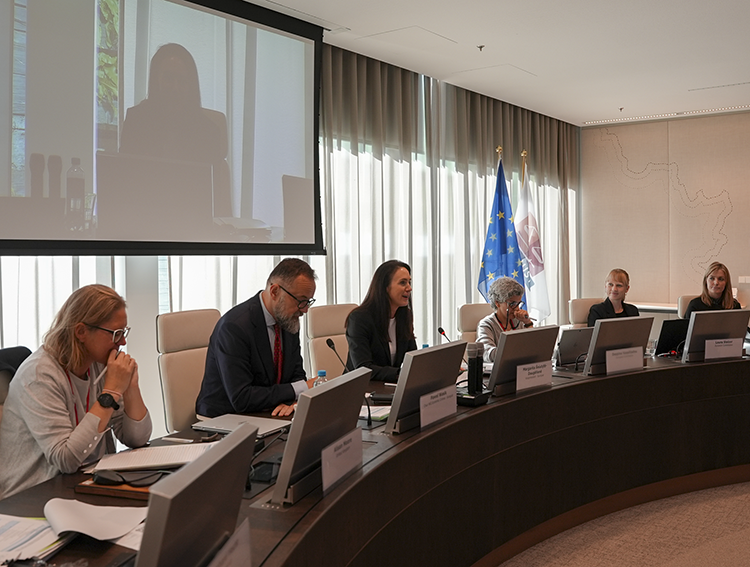 The discussions highlighted the importance of early communication and a clear understanding of the requirements of the requested jurisdiction. Participants also explored how Eurojust could help resolve such obstacles before they arise, for instance, through coordination meetings, joint investigation teams, coordinated action days, or by utilising its network of contact points.
The meeting highlighted the importance of strong international cooperation, early coordination and clear, targeted requests in effectively recovering criminal assets and disrupting organised crime. By drawing on lessons from previous cases, participants were able to explore how future cooperation can be made more predictable, efficient and effective.
 Eurojust is an agency of the European Union